COLLABORATIVE DATA PLATFORM

Clementina
Patagónica

Drone-based environmental monitoring with centralized processing.

We centralize drone surveys and derived products to build comparable environmental monitoring and generate useful information for science and conservation.

Isle of Birds · Chubut · Nov 8 2025

START HERE

Two doors
to enter

Browse the map or add your first survey.

Explore surveys available on the public map. If you have drone images stored on a disk or computer, register to centralize them and turn them into new products and environmental monitoring.
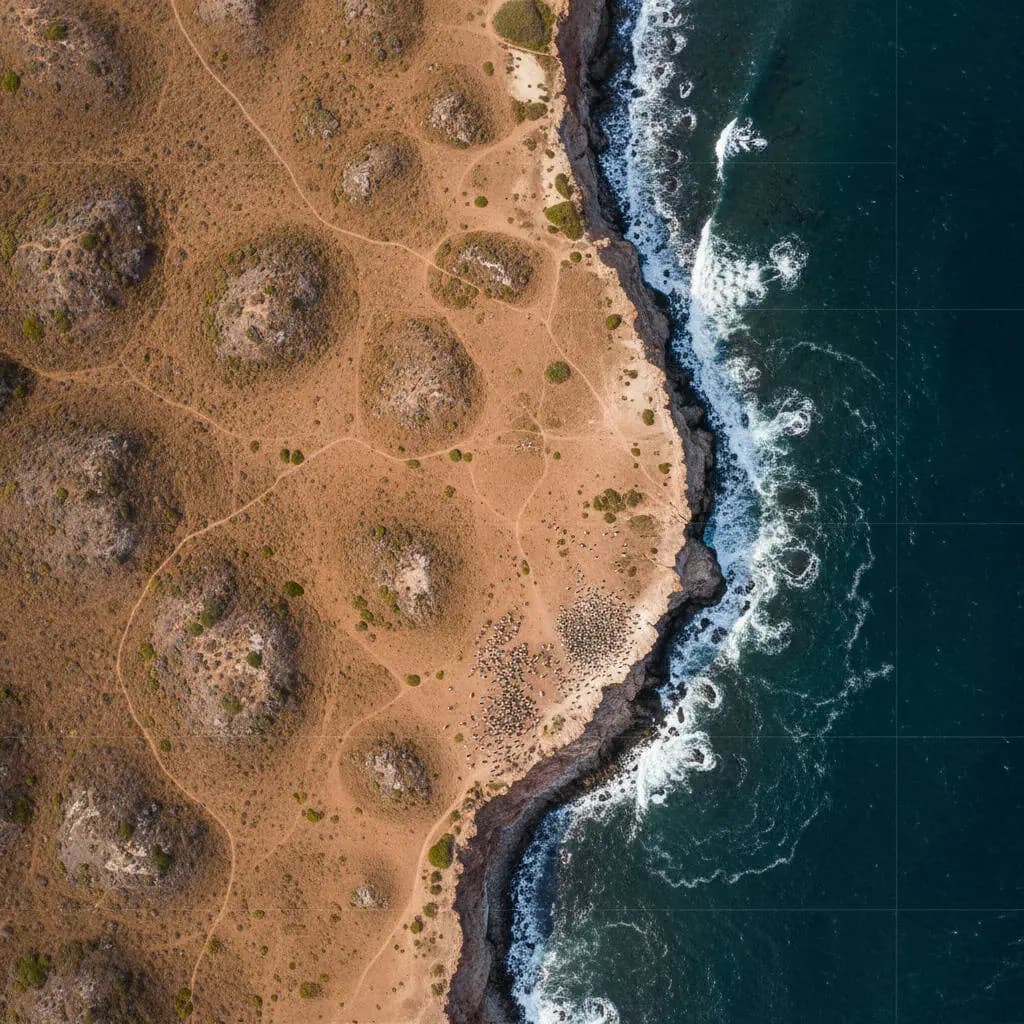
Example processed orthomosaic
Orthomosaic
WHAT WE DO

A growing network

99
SURVEYS

Drone surveys already integrated in the platform.

desde nov 2025
45
PUBLIC MAPS

Processed products available for open consultation.

ortomosaicos + DEM + JPG
35
DOCUMENTED AREAS

Areas with aerial coverage and available surveys.

patagonia costera
THE FLOW

From fieldwork to the public map

Three steps to transform drone images into accessible environmental products and monitoring.
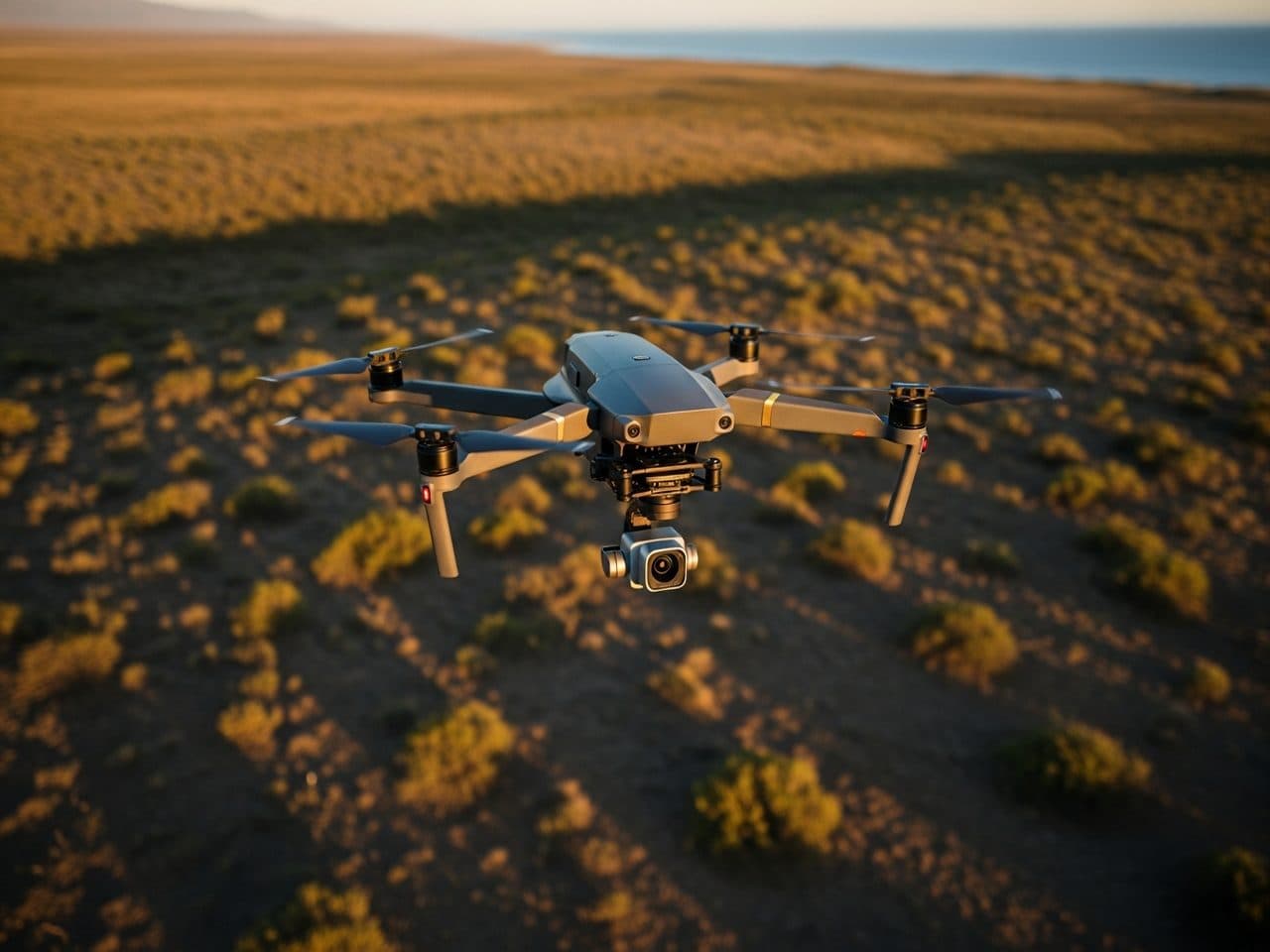
DJI drone flying over the Patagonian steppe at golden hour
STEP 01

You upload your images

Upload RAW or JPG images directly after a field trip. The platform organizes extensive surveys and heavy files without manual splitting.
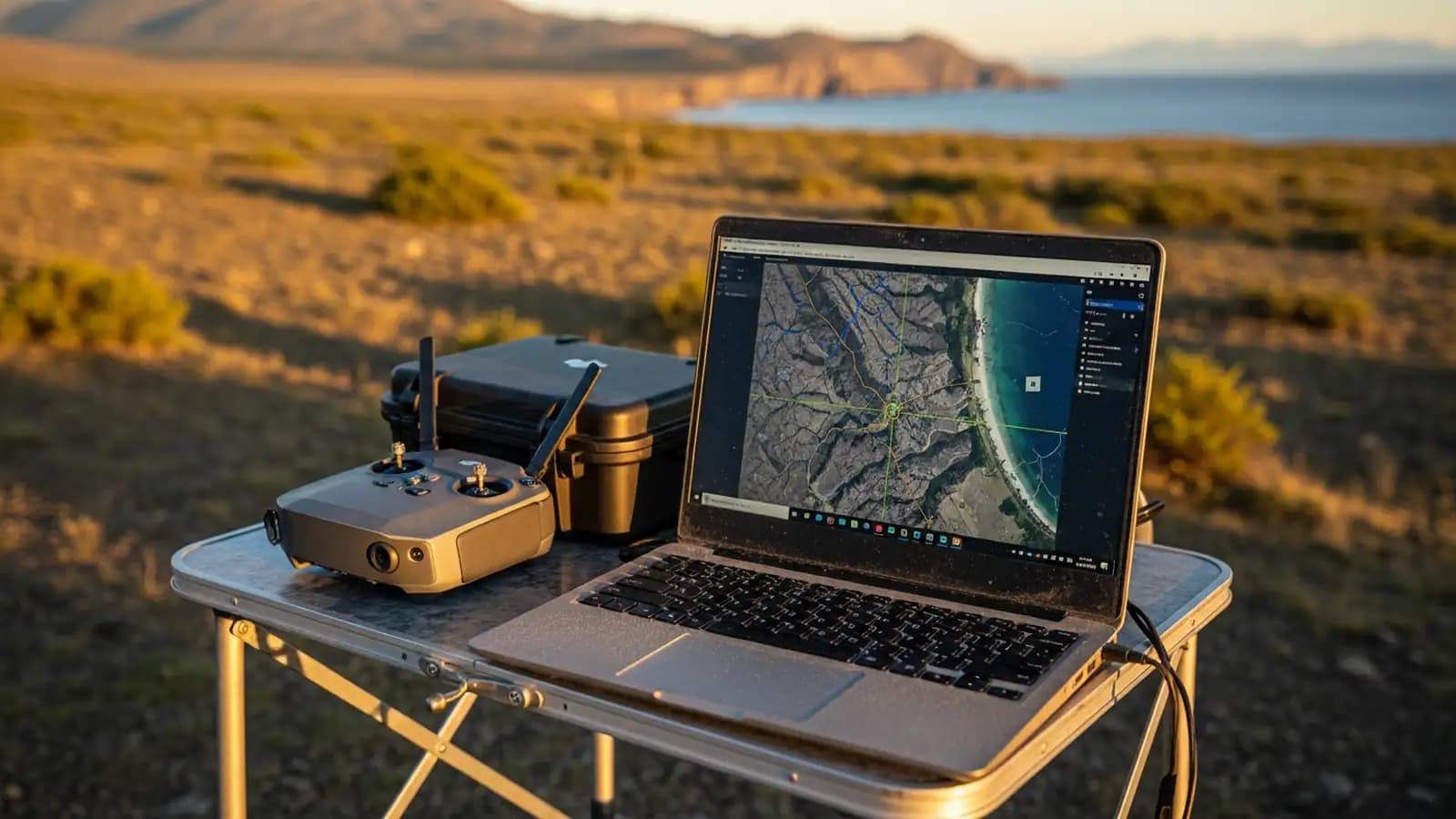
Processing in Clementina
STEP 02

We process in Clementina

We generate georeferenced products from your images and you follow processing in real time. All results stay linked to the original survey.
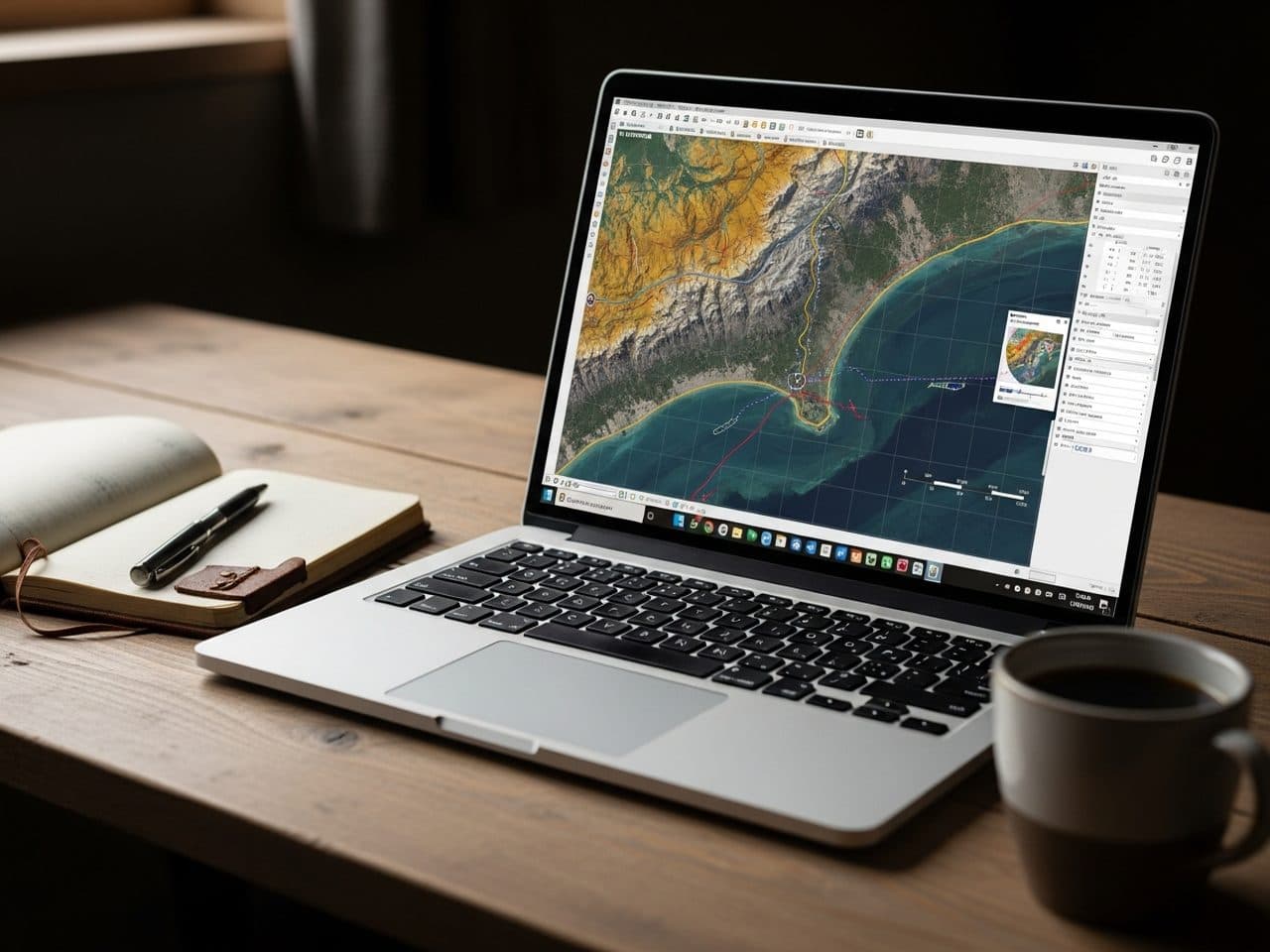
Laptop showing an orthomosaic processed in QGIS
STEP 03

We publish the map

Define the access level for the survey (public, collaborative or restricted). Derived products remain available with clear licensing and traceability, while the original images are safeguarded without being published.

YOUR PRODUCTS

What you receive once your flight is processed

One upload, three open and citable formats.

JPG preview

~10-20 MB

To view the map in a browser, share by email or include in an article. No special software needed.

GeoTIFF orthomosaic

~200-600 MB

To open in QGIS, ArcGIS or any GIS. Every pixel carries real coordinates.

GeoPackage layers

~50-150 MB

For quantitative analysis: contours, transects, vectorized points of interest.

DERIVED PRODUCTS

Digital elevation models

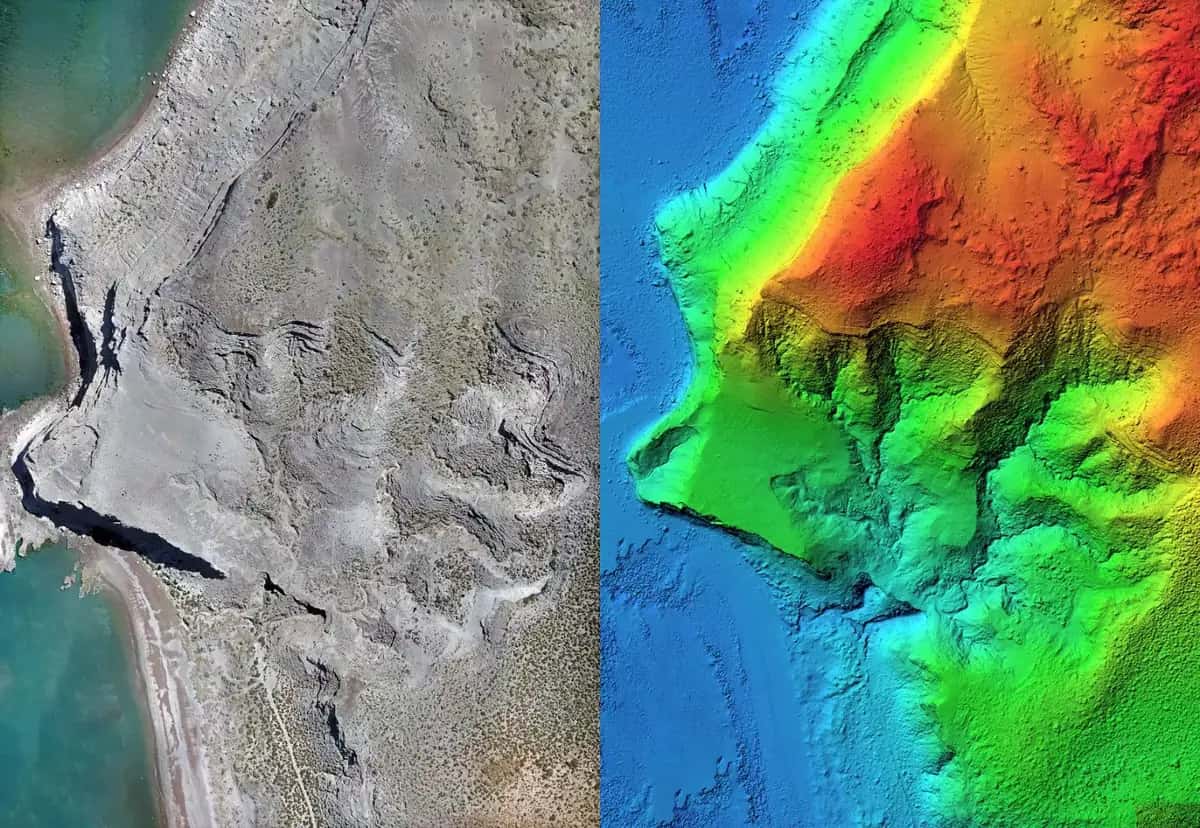
Beyond the orthomosaic, each survey can generate a georeferenced Digital Elevation Model (DEM) and JPG previews. DEMs provide terrain height information and are the basis for erosion, hydrology and morphological change analyses.
OrthomosaicDEM
Split image: aerial orthomosaic of Punta Alt on the left, the same area as a height-colored Digital Elevation Model on the right

Punta Alt, Península Valdés · orthomosaic + DEM · processed by Mariano (CENPAT)

WHO SEES WHAT

Three access levels, you decide

Each survey you upload carries a level. You set it on upload and you can change it later.

Public

Public

Visible on the open map. Anyone can explore and download the derived products. Your authorship is explicit.

When: monitoring of non-sensitive areas, institutional coverage, outreach.

Collaborative

Collaborative

Visible to registered network members. Others can request contact to collaborate or ask for access to the material.

When: ongoing work, thesis data, campaigns you want to share with peers before publishing.

Restricted

Restricted

The survey perimeter appears on the map, but the products are safeguarded. Held under institutional custody.

When: archaeological sites, threatened species, public security data.

AERIAL COVERAGE

Survey map

Click on any polygon to see the survey detail. Search by zone or author, or filter by year, drone and access level.

REAL EXAMPLE

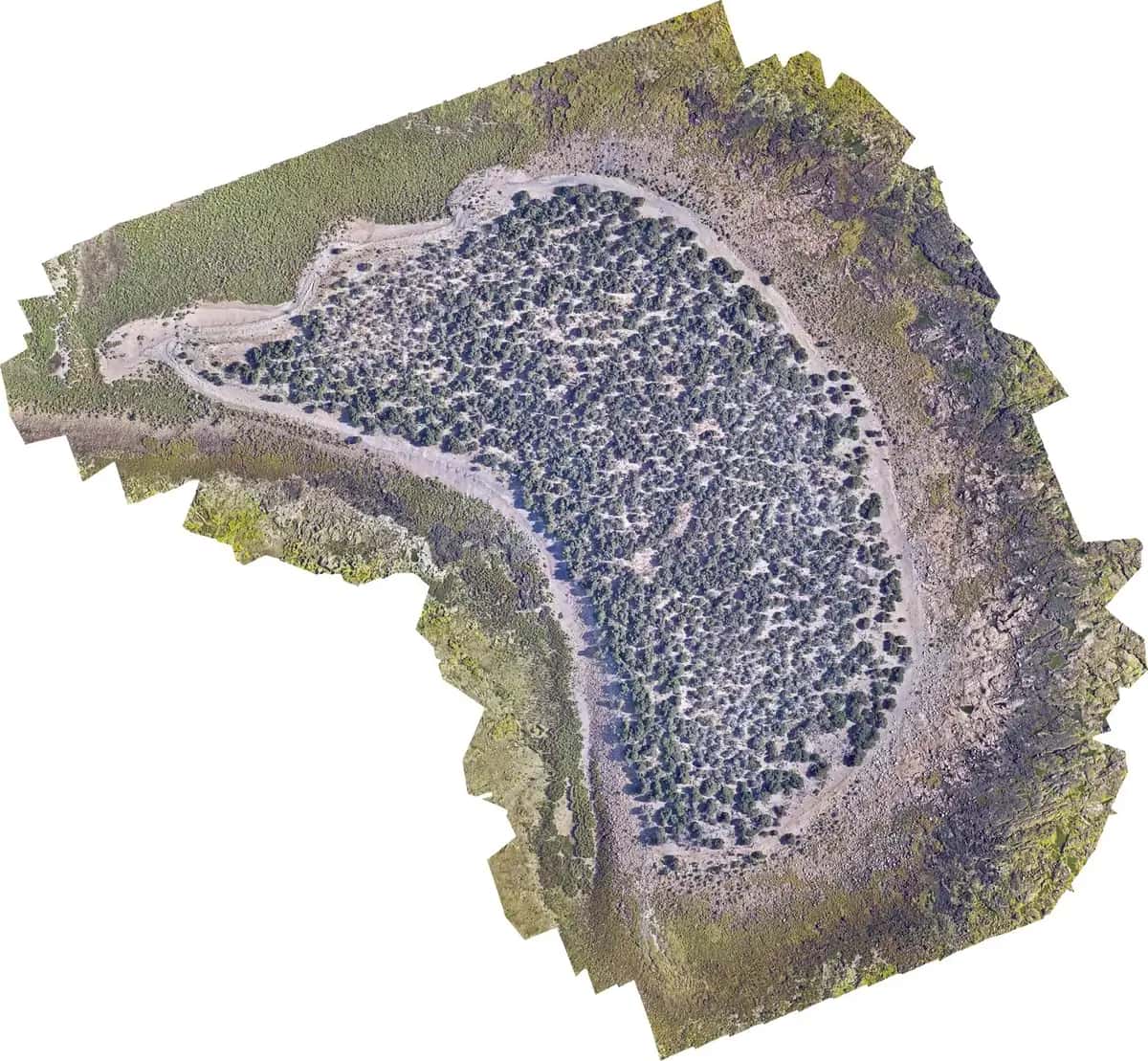
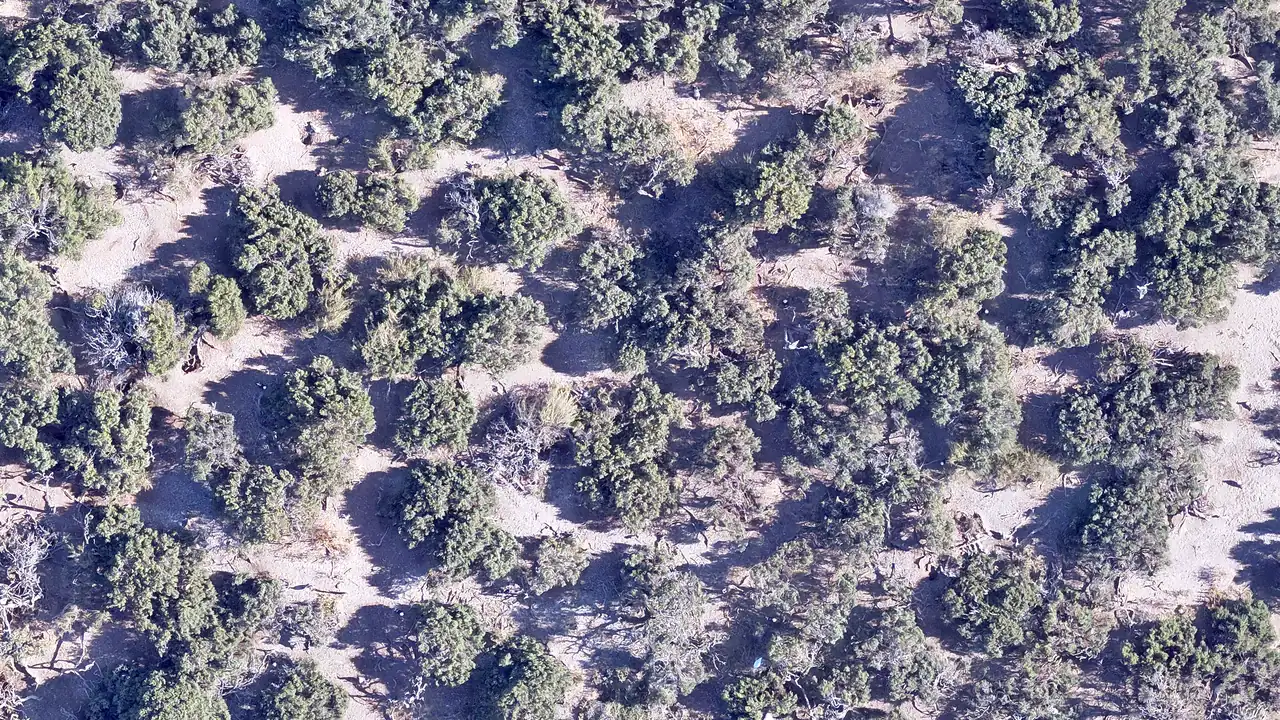
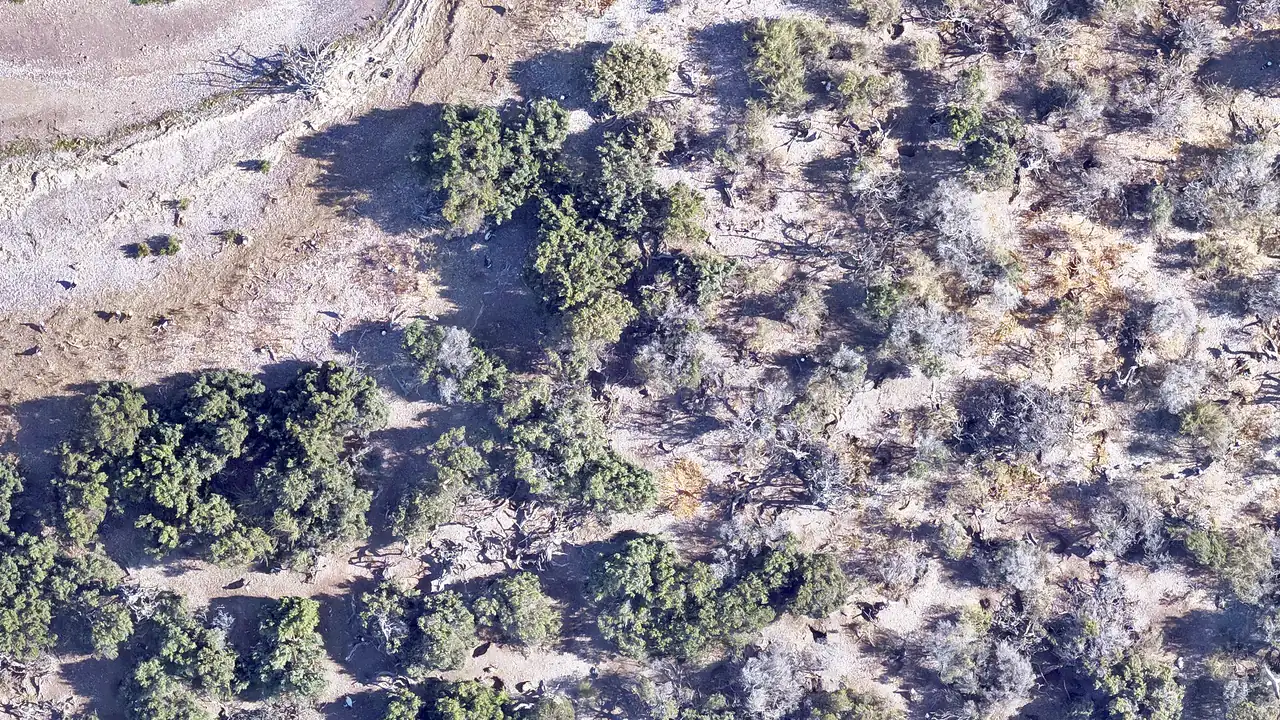
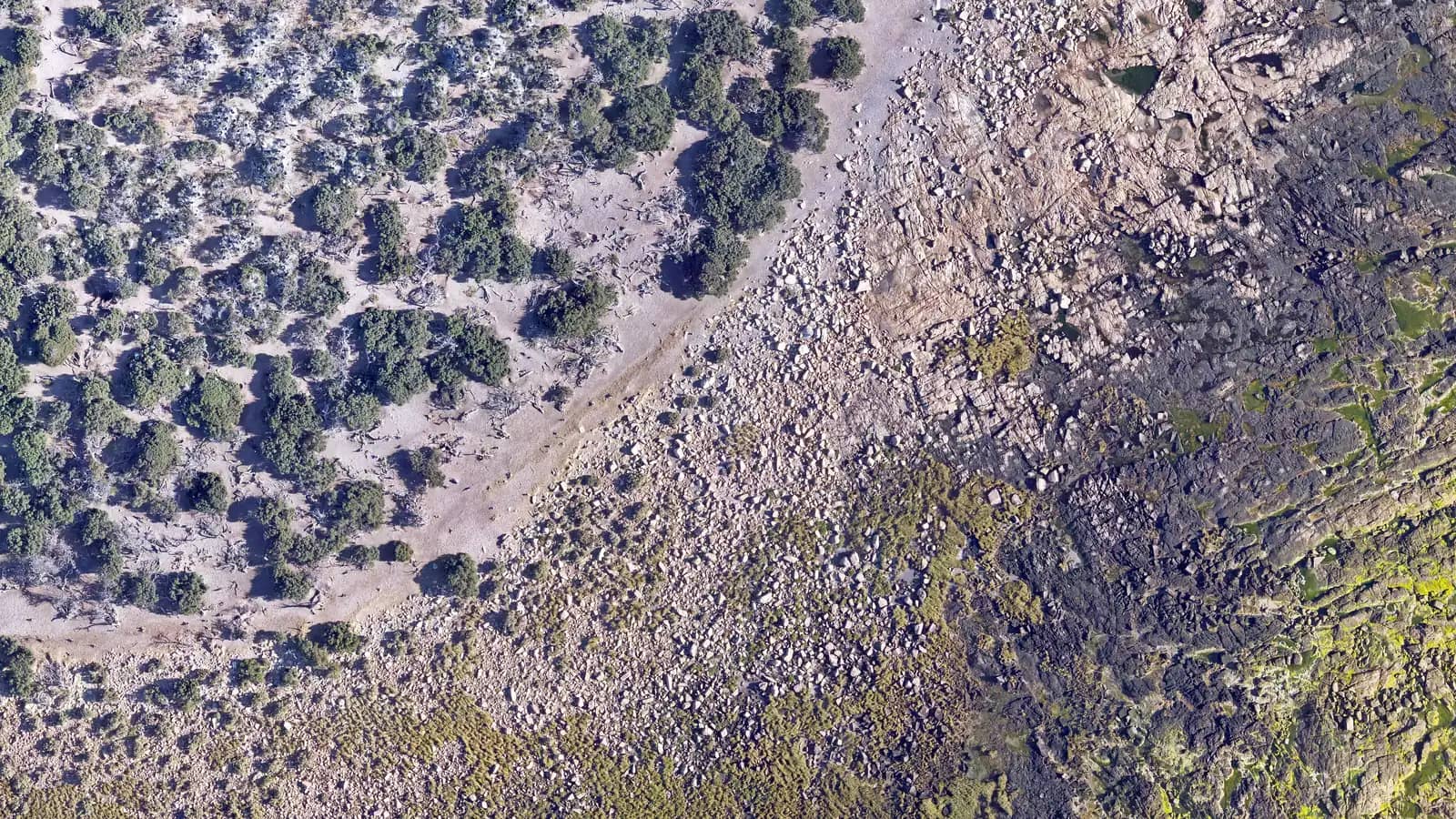
Islote de los Pájaros, 540 megapixels

A survey from November 2025, processed by Mariano at CENPAT. The same flow as any campaign you upload.

Aerial orthomosaic of Islote de los Pájaros showing the islet silhouette over a marine background
Islote de los Pájaros · Chubut · 8 Nov 2025 · 540 MP orthomosaic

Products from this survey

ProductSizeFormat
Full orthomosaic523 MBGeoTIFF
DEM180 MBGeoTIFF
Browseable JPG view12 MBJPG

Flight and processing: Mariano (CENPAT). Published under CC-BY 4.0.

START TODAY

Four steps to your first survey

No prior meetings, no long forms. If you already have images on a disk, you can start right now.

  1. 01

    Read the protocol

    Fifteen minutes. Download it as PDF and take away the key parameters: altitude, overlap, speed.

  2. 02

    Fly the grid

    If you already have campaigns shot with a similar protocol, those work too. Check the minimum requirements.

  3. 03

    Upload from your disk

    Create account, create survey, drag the folder. No manual chunks, no FTP.

  4. 04

    Wait for validation

    We notify you once approved. Meanwhile, you can upload the next campaign.

DATA CYCLE

From raw photo to three-dimensional model

Every flight follows the same path: overlapping images, georeferenced map with elevation, navigable three-dimensional fly-through.

01

Overlapping images

Hundreds of photos with GPS metadata, captured on a grid with 70% overlap. That overlap is what makes the reconstruction possible.

02

Orthomosaic plus DEM

The orthomosaic is the flat georeferenced map. The DEM (Digital Elevation Model) records the height of every pixel.

03

Three-dimensional reconstruction

Combining orthomosaic and DEM yields a navigable 3D model that preserves the real proportions of the terrain.

Virtual flight over Punta Alt, Península Valdés · 3D reconstruction from the original survey
WHAT IS COMING

Flat maps today, 3D fly-through tomorrow

Phase 1 publishes orthomosaics and DEMs. The next phases enable comparative analysis and a three-dimensional viewer inside the browser.

Phase 3 / coming soon
Faro Cabo Brown · three-dimensional fly-through prototype

Phase 2 — Quantitative analysis

Change detection across flights, automatic transects, temporal coast comparison, assisted counts.

Phase 3 — 3D viewer in the browser

Navigable fly-throughs over any published survey. No special software. Just the browser.

AREA HISTORY

Another look at El Calafate - Perito Moreno

Another survey of this area, from another year. Compare both flights side by side.

2026
Lucia Albatros
2025
Lucia Albatros
Before · 2025
After · 2026

Drag the divider to compare.

El Calafate - Perito Moreno 2025 campaña 3 · 2025 · Lucia Albatros
View this survey
HOW TO CITE
Albatros, L. (2026). El Calafate - Perito Moreno 2026 [Dataset]. Clementina Patagónica. https://clementina.ar/r/2026-el-calafate-perito-moreno-0
FEATURED INITIATIVE

Surveys connected to each other

Initiatives allow grouping related surveys.

Orthomosaic of Peninsula Valdes - Punta Cantor 2026 campaña 2
2026
Peninsula Valdes - Punta Cantor 2026 campaña 2
AreaPeninsula Valdes - Punta Cantor
Flight dateNovember 20, 2026
DroneDJI Mavic 3 Multispectral
Mapped area57.1 ha

Published by Martin Brogger · Larbim CENPAT

INSTITUTIONAL NETWORK

Organizations making the platform possible

Scientific, academic and conservation institutions supporting the development and growth of Clementina Patagónica.


Fundación Proyecto Sub
Proyecto Sub Foundation
Fundación AZARA
Fundación AZARA
Natural History Foundation
Universidad Maimónides
Maimónides University
CENPAT-CONICET
CENPAT-CONICET
Patagonian National Center
DATA GOVERNANCE

Open data, with responsibility.

We apply two complementary frameworks: FAIR, so data is findable and reusable, and CARE, so its use respects those who generated it and the territories it documents. At Clementina, this translates into concrete decisions.

Findable and reusable (FAIR)

Each published survey includes its suggested citation, visible CC-BY 4.0 license and open formats (GeoTIFF, JPEG, PDF). Products can be downloaded, reused and cited while maintaining traceability.

Access under author control (CARE)

Original images are never published. The author defines which products are visible and under what conditions they are shared, while the original material remains safeguarded under institutional custody.

Three access levels, not just one

Public allows exploring and downloading derived products from the open map. Collaborative enables contact between users and authors to generate collaborations and share access to specific surveys. Restricted keeps visible the existence and perimeter of the survey, but protects its content when dealing with sensitive sites or information under study.

CITE THE PROJECT

How to cite Clementina Patagónica

If you use data from the network in a publication, please cite the project along with the specific survey.

BibTeX
@misc{clementinaPatagonica2026,
  title  = {Clementina Patagónica: red colaborativa de relevamientos con drone},
  author = {Brogger, Mart\'in and CENPAT-CONICET and Fundaci\'on Proyecto Sub},
  year   = {2026},
  url    = {https://clementinapatagonica.org},
  note   = {Datos publicados bajo CC-BY 4.0}
}
ORIGIN OF THE NAME

Why "Clementina"?

Clementina Patagónica takes its name from Clementina, the first scientific computer used in Argentina, driven by Manuel Sadosky at the University of Buenos Aires in 1961. Decades later, a homonymous computer once again processes scientific data, transforming drone surveys into geospatial products for environmental monitoring and conservation.

More than a historical reference, the name recovers an Argentine tradition of science and technology at the service of knowledge, territory, and the construction of public capacities.

We propose to develop a science and a technology at the service of the country, to enable and structure its development.

— Manuel Sadosky